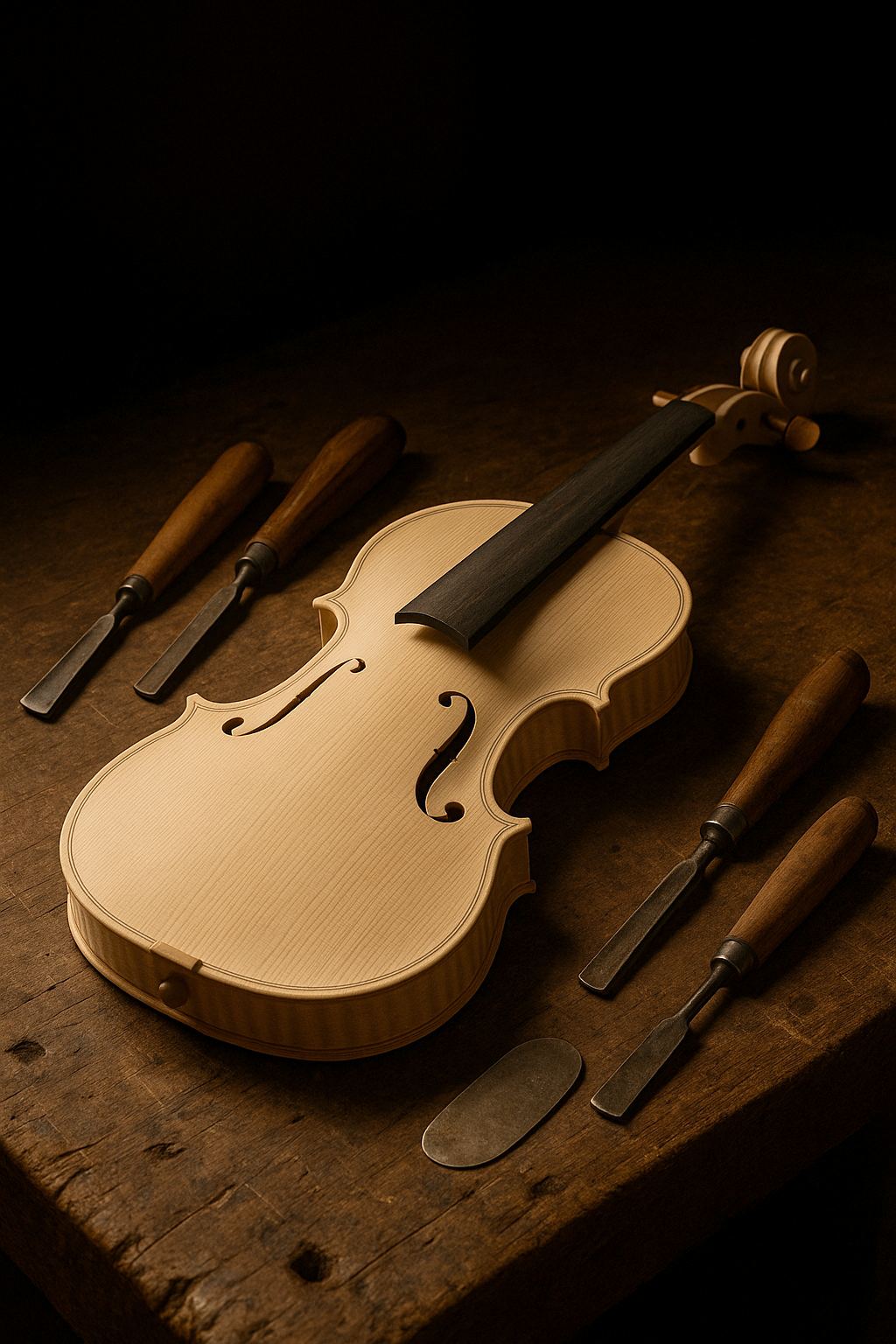
A violin in the white — unvarnished spruce and maple — resting on the workbench among gouges, lit by one warm bench lamp.

Cremona · Contrada Sant’Agata · dal 1911

Eleven violins
leave the bench
each year.

A single-maker bottega on the Contrada Sant’Agata. The wood is seasoned twenty years, the arching worked to a tenth of a millimetre, and the varnish judged only by lamplight.

The instruments are not sold. They are commissioned, by letter.

La bottega — the workshop

One maker, one bench, one lamp — and no two plates worked to the same thickness.

No two plates are graduated alike, because no two pieces of wood carry the same weight. The maker follows the wood, not a drawing — and a violin that measured identically to another would sound worse for it. The hand is in the arching. It is the one thing a workshop cannot draw and a factory cannot copy, and it is why the bench keeps to eleven instruments a year and no more.

1911

The bench opened on the Contrada Sant’Agata, in the century of Cremona’s revival. Three makers since: Achille, Guido, and Tobia.

Eleven

Instruments a year — violins, with the rare viola or cello by long petition. Accepted by letter, never sold from a shelf.

Twenty years

The spruce rests, felled in winter in the Val di Fiemme and seasoned two decades before a gouge ever touches it.

Il maestro — the maker at the bench

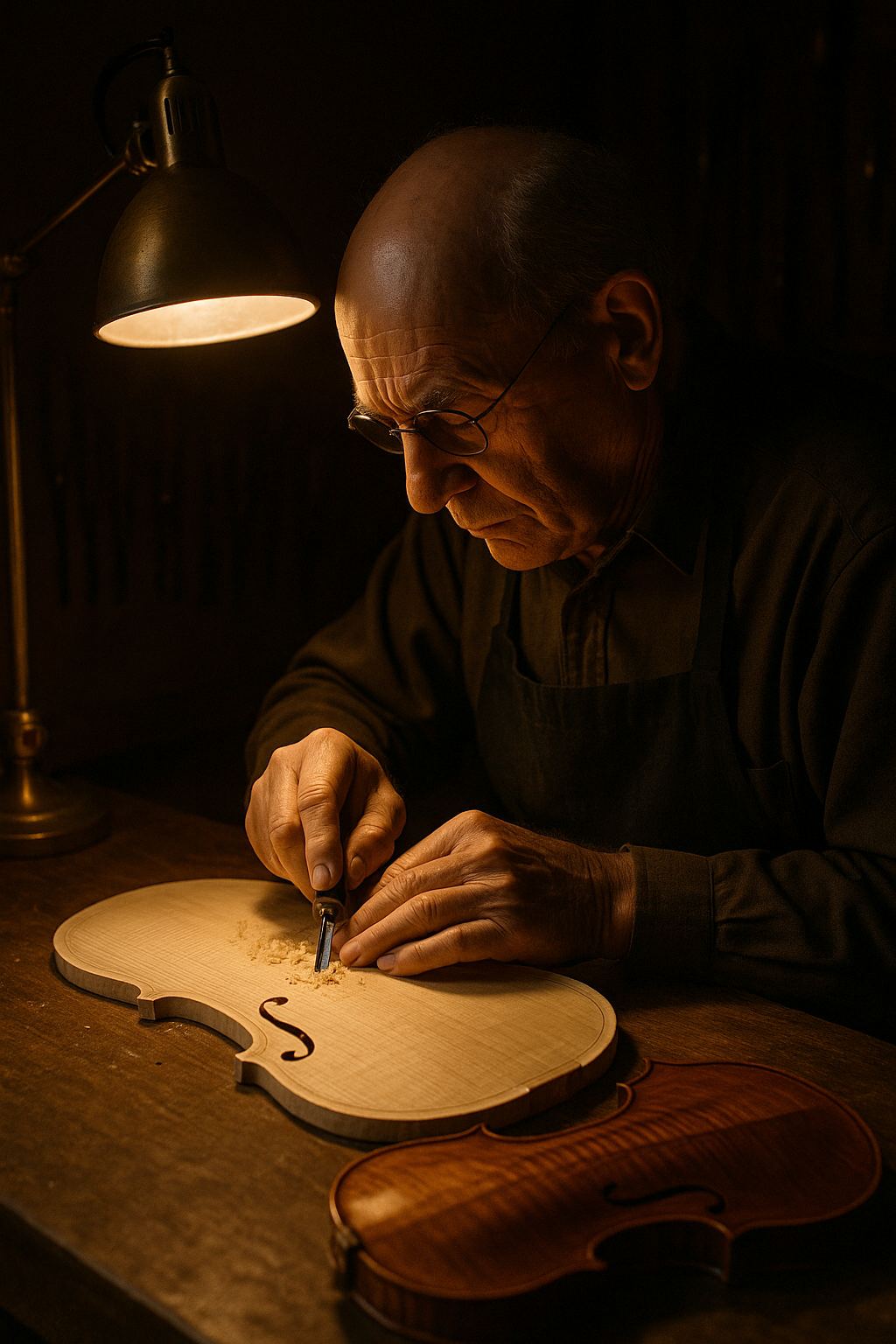
Tobia Ferraboschi, third of his name at the bench.

Tobia Ferraboschi bent over a spruce belly, a gouge in hand, his face lit by the bench lamp as he works the arching.
“I thin the plate until it answers. A tenth of a millimetre either way is the difference between a violin that speaks and one that chokes — and only the wood tells you where that tenth is.”

Tobia Ferraboschi · III · dal 1988

He works alone but for one apprentice, Marta, at the bench since 2019. The vernice — the varnish — is his own recipe: an oil varnish over a mineral ground, twenty coats, a summer of drying, and judged only under the one lamp. He has never varnished by daylight. Neither did his father.

La graduazione — the graduation of the plates

The arching, read in thicknesses — the maker’s most private knowledge, shown.

This is the map no shop shows: the thickness of a maple back, from the thick dome at its centre to the thinned edge where it meets the purfling. Measured with a caliper under cold north light — not judged under the warm varnish lamp. Scroll, and the plate is graduated, centre to edge, one contour at a time.

Under the caliper

2.3mm

the purfling channel

  • 4.2 mmThe centre of the backthe dome, left thick to carry the arch
  • 3.7 mmThe upper fieldthinning as the plate opens
  • 3.1 mmThe flankwhere the back begins to speak
  • 2.8 mmThe shoulderworked by tap-tone, not by rule
  • 2.6 mmToward the edgelightened until it answers
  • 2.3 mmThe purfling channelthe last tenth, at the edge

Fondo in acero · graduato a mano · Modello del Gesù

Il registro — the register of instruments

What is on the bench, what is promised, and what has been voiced and gone.

Not a catalogue. The register keeps only what this bench is making now — never a grid of products, never a page to turn. Each instrument is named for Cremonese light and the fog of the Po valley.

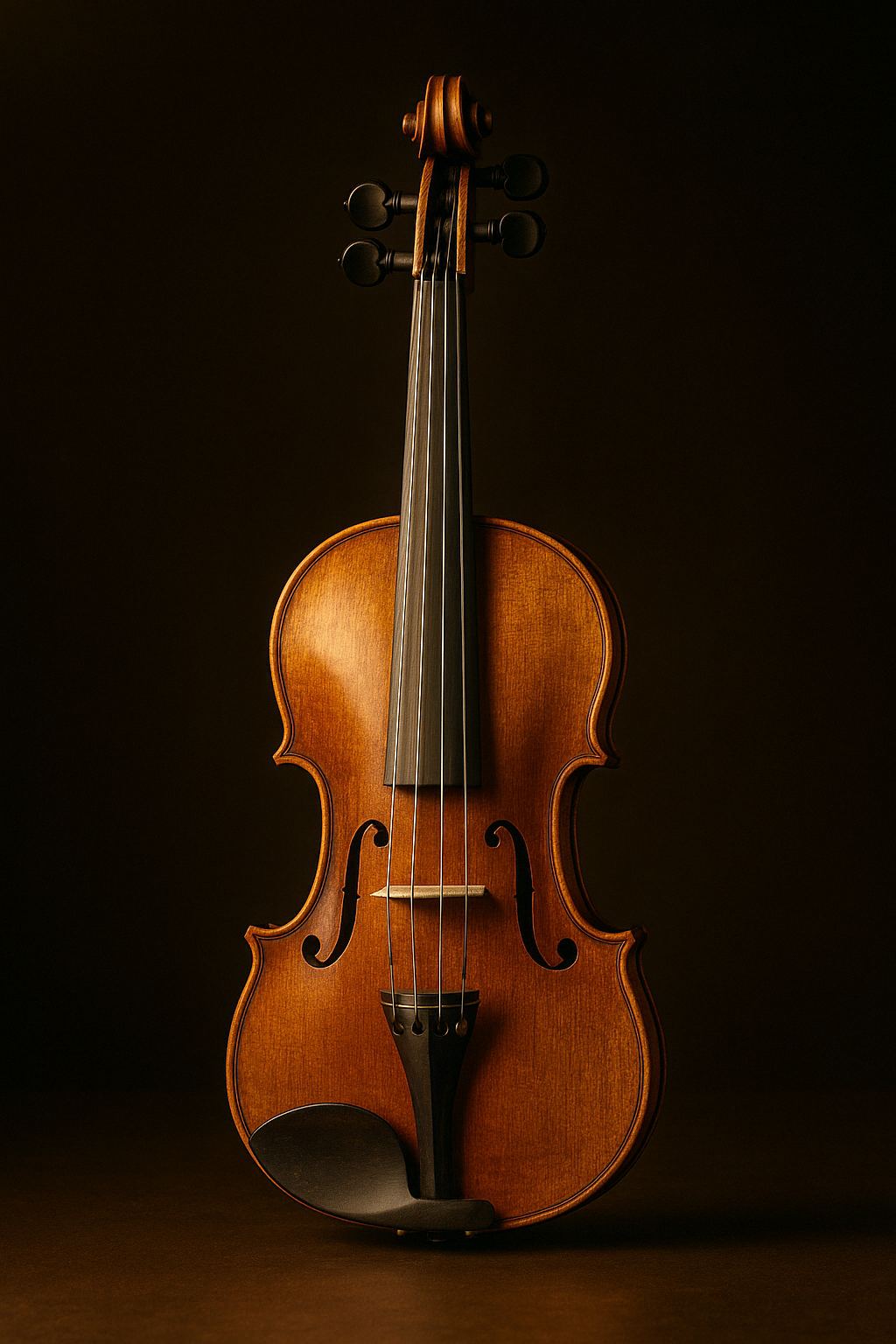
A finished violin under the varnish, the flamed maple back turned to the lamp.
On the benchModello del Gesù · 2024

Nebbia

the river fog

A del Gesù in the maker’s own reading — the belly thinned to 2.6 millimetres at the edge until it answered, the back left full at 4.2 in the dome. The wood is Val di Fiemme spruce felled in the winter of 2003 and rested twenty years. On the bench now; promised to the third petitioner on the list.
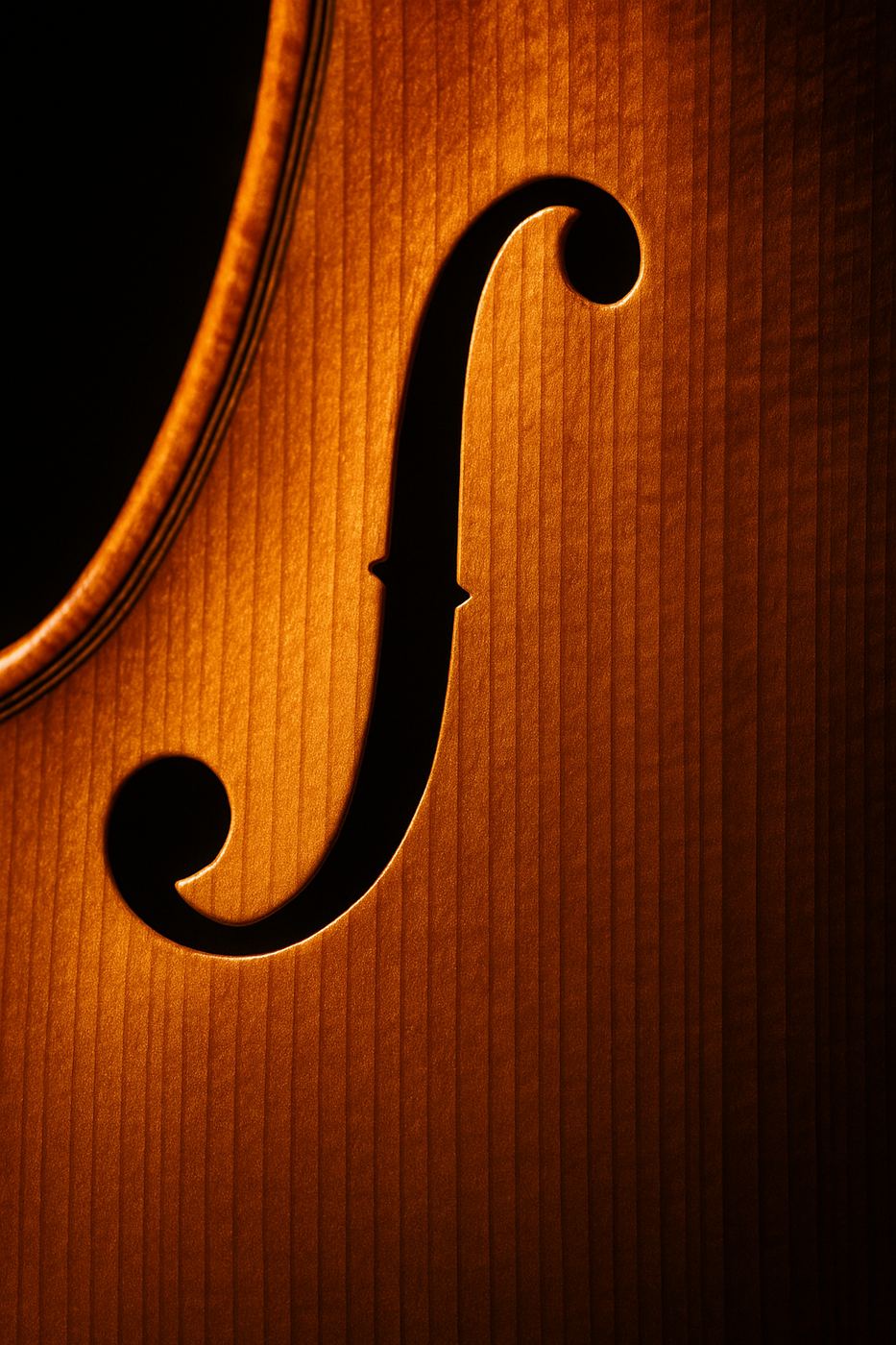
An f-hole cut into the spruce belly, the grain raking under one light.
PromisedModello Amatise · 2023

Vespro

evening

An Amatise model, narrower in the waist and quicker under the bow. The effe were cut by knife over three evenings and the wings undercut by a tenth. Varnished in twenty coats over a summer; judged, as always, by lamplight. Promised, and waiting on the last of the drying.

Not photographed once it leaves the bench.
Voiced and goneModello Stradivari 1715 “Cremonese”

Torrazzo

the great bell-tower of Cremona

Voiced in the spring and gone to a player in Turin. The bench keeps no photograph of an instrument once it leaves — only the maker’s note of its arching and the weight of its plates. A long model, broad in the lower bout, the deepest voice to leave this bench in a decade.

Il banco — the counter

The bench keeps its own bows, cases, rosin, and strings — and these you may order.

The violins are commissioned by letter. The bench’s own goods are a different matter: they are made in small runs and sent by the counter. Choose what the bench should set aside, and it will write back with the wait and the post.

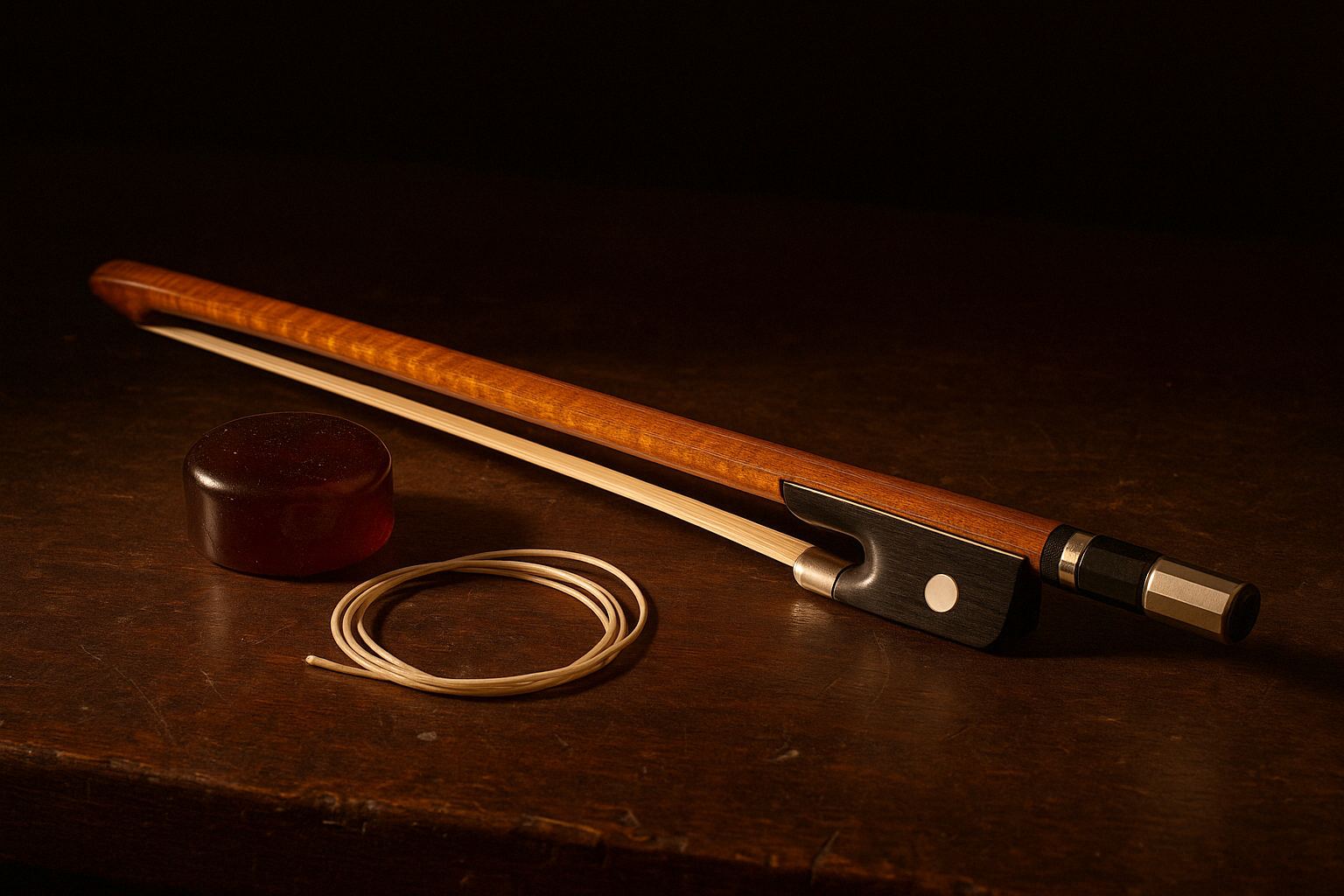
A pernambuco bow, a cake of the bench’s own rosin, and a coiled set of strings on the dark workbench.

The counter never takes a card. Your order is assembled into a letter to the bench; payment and post are settled by reply, once the goods are set aside.

Set aside from the counter

Archetto — the bow

Pernambuco stick, ebony frog, silver mounts. Rehaired by hand at the bench.

€3,400

Custodia — the case

Shaped in the old form, wool-lined, oiled canvas over a spruce shell.

€1,650

Pece — the rosin

The bench’s own cake, poured and cured over a slow flame. A single tin.

€42

Corde — a set of strings

Gut-core, wound to the bench’s tension. Fitted to the instrument’s voice.

€118

Spalliera — the shoulder rest

Carved maple, cork-footed, shaped to sit without touching the back.

€210

To set aside €0

This opens a letter in your mail with the order set out in full. No card is taken here, and nothing is charged until the bench replies.

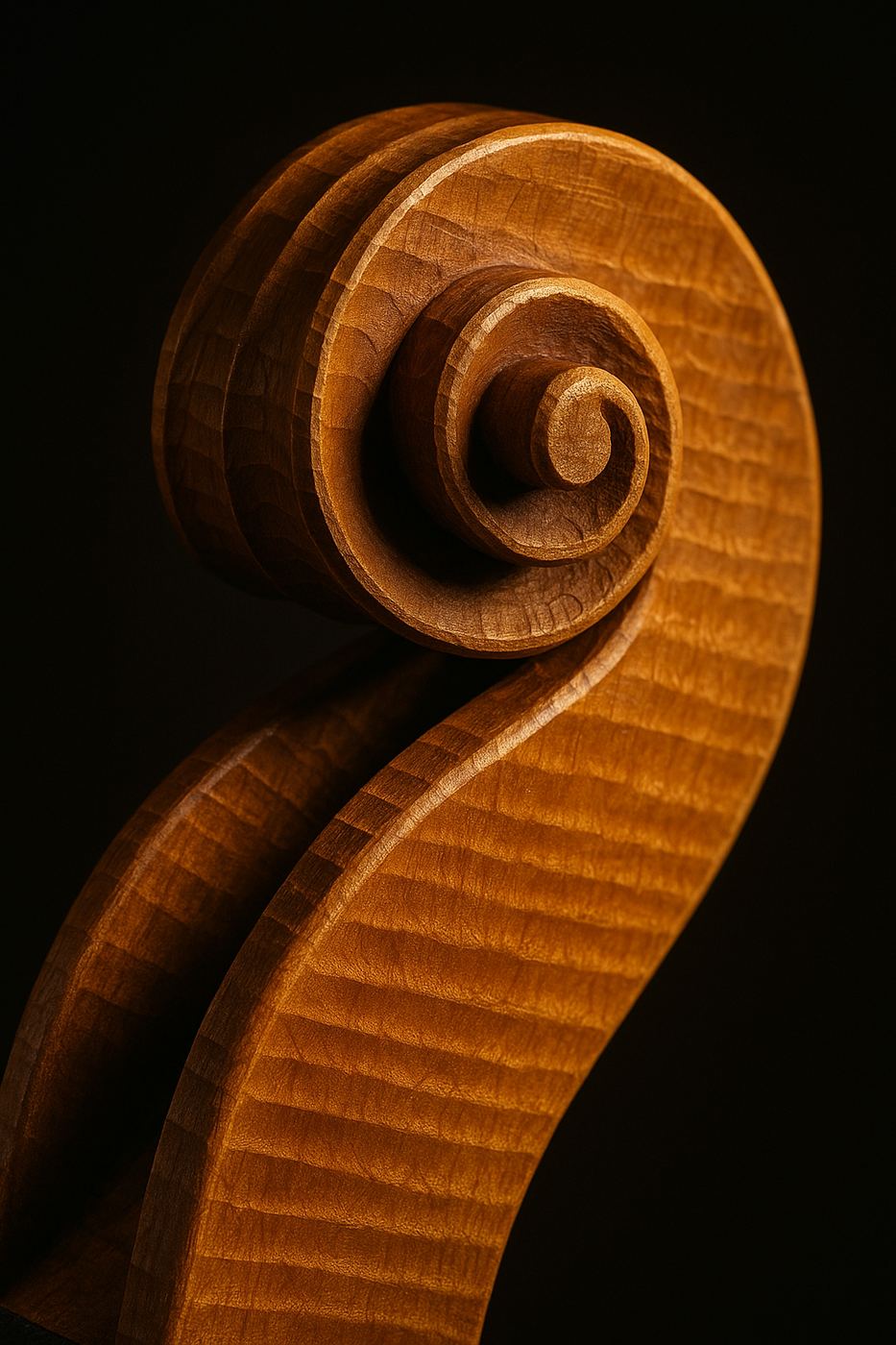
The carved scroll of a violin — the volute at the peg-box, flamed maple raking under one warm light.

Il ricciolo — the scroll

The one part of a violin that does no work, and is carved most carefully of all.

The scroll carries no string and shapes no sound. It is cut by hand in acero — Bosnian maple — with a knife and three gouges, and it is where a maker signs without a signature. A trained eye reads the bench in the volute before it reads the label.

La commissione — the letter

An instrument is not bought. It is asked for, and waited for.

A violin from this bench is above €48,000, and there is no cart that could hold it. Write to the bench — say what you play, and for what, and where you are on the list. The maker will write back with the model, the wood, and the year it might be ready. There is a wait. There has been since 1911.

By letter · the instruments

La commissione

Violins, above €48,000, made to a petition and waited for. No cart, no price to a basket — a correspondence with the maker, and a place on the list.

By the counter · the bench goods

Il banco

Bows, cases, rosin, strings — well under €5,000, made in small runs. Ordered by the form above, which writes to the bench. Still no card taken here; the post is settled by reply.